


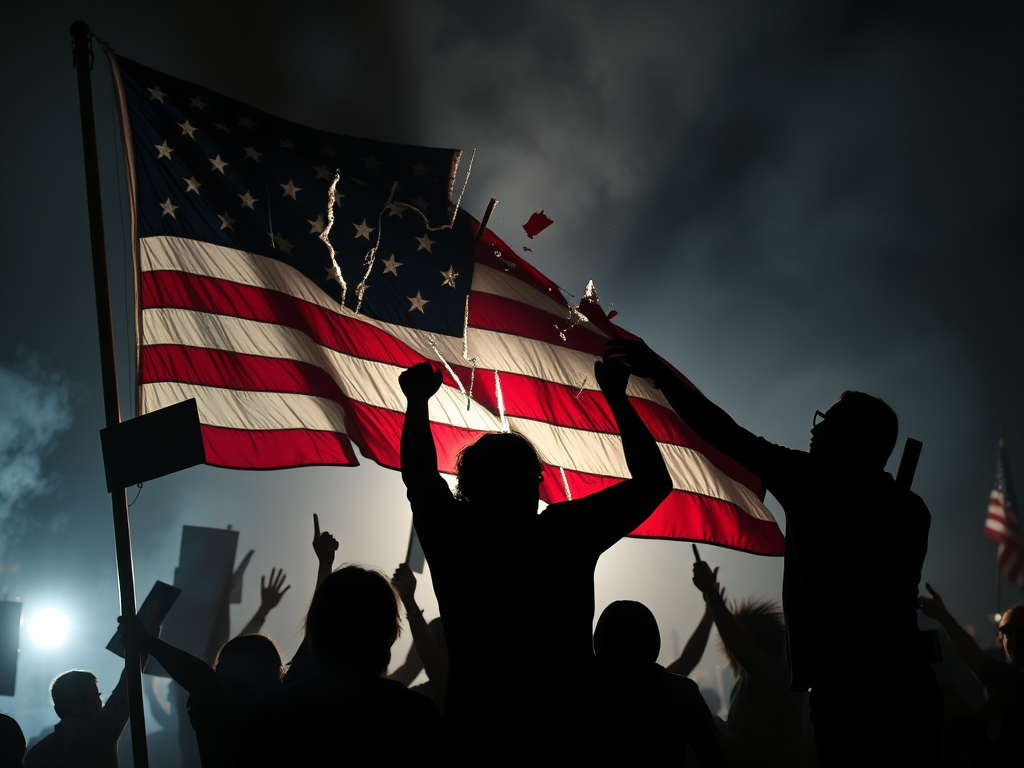
Introduction: A Nation on the Brink of Internal Crisis
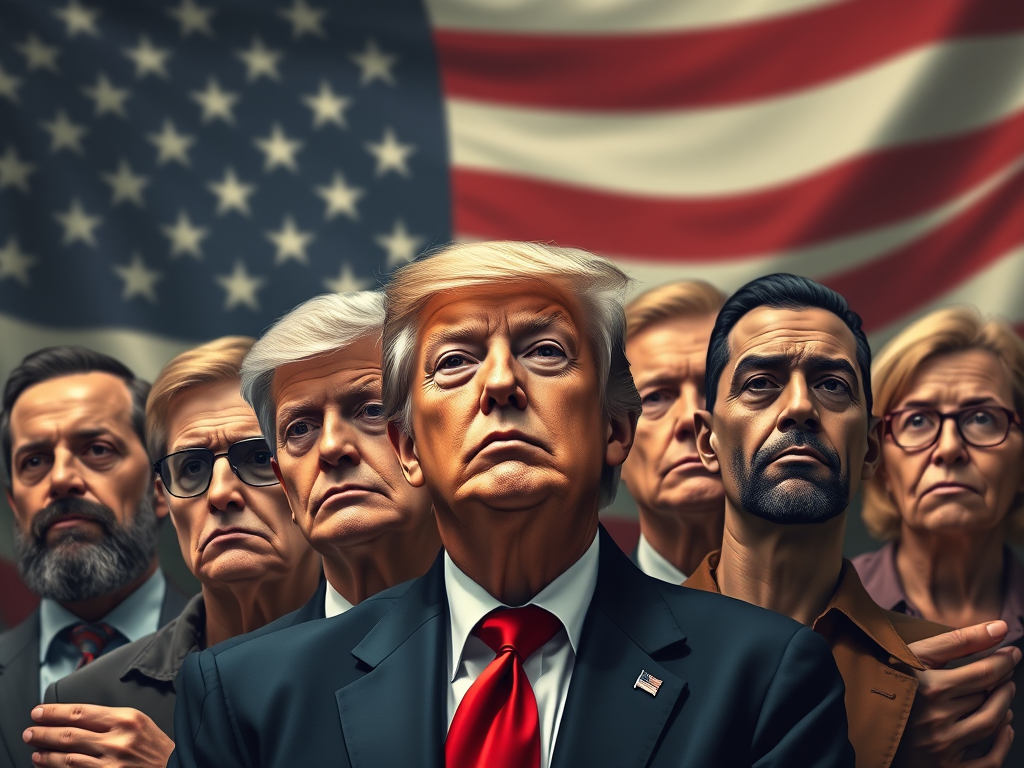
The assassination of Charlie Kirk, a prominent figure in the American conservative movement, was not just the tragic death of an activist: it became a symbolic trigger. In the hours afterward, social media and traditional outlets were flooded with accusations. Conservative commentators blamed progressive rhetoric as a cause of hatred, while progressives responded by recalling the long history of threats and violence from the far right. This immediate, partisan reaction exemplifies what political science calls “negative partisanship”: political identity shaped more by hostility toward the opposing side than by shared goals. Kirk’s death, like the storming of the Capitol, marked a turning point: a belief that political conflict is now a matter of life and death.
Historical and Cultural Roots of Polarization
The United States faces a crisis that extends beyond Donald Trump’s presidency and the rise of social media. It originates from historical divisions that have never been fully resolved, an institutional framework under pressure, and a growing sense of electoral powerlessness. The Civil Rights Act of 1964 and the Voting Rights Act of 1965 represented pivotal moments. The traditional political equilibrium in the South disintegrated as millions of white voters shifted toward the Republican Party. Simultaneously, the feminist movement, the sexual revolution, and the landmark Roe v. Wade decision of 1973 shifted the focus of political conflicts from economic issues to moral and identity concerns. James Davison Hunter called this new landscape a cultural war: two incompatible worldviews, one orthodox and one progressive, turning politics into a struggle for the nation’s soul [1]. The result has been a gradual shift from policy debates to an existential fight over values and what it means to be American.
Geography of Division and Institutional Fracture
Since the 1990s, the pattern documented by Bill Bishop in The Big Sort has shown that neighborhoods have become increasingly homogeneous [2]. Metropolitan areas have shifted toward Democratic — or blue — districts, while rural regions have become strongly Republican — or red — and suburbs have turned into battlegrounds. This residential uniformity has created “landslide counties,” where partisan victories are almost certain, reducing electoral competition to primaries and benefiting the most extreme candidates. Meanwhile, the postwar era of three major television networks has given way to a fragmented media landscape: talk radio, 24-hour news, and social media. Each platform now fosters a closed, self-referential narrative. As a result, January 6, 2021, is seen either as a coup attempt or a patriotic protest, depending on the channel. Pictures of men waving Confederate flags in Congress and lawmakers barricading themselves behind makeshift doors shattered the illusion that American democracy was immune to collapse. Confidence in institutions — such as Congress, the Supreme Court, and the FBI — has fallen to historic lows [3].
Political Moves and the Sense of Powerlessness
This erosion of trust is worsened by deliberate political actions that increase citizens’ feelings of powerlessness. Gerrymandering redraws districts to create safe seats and reduce competition [4]. Restrictions on early voting, voter roll purges, and limits on mail-in ballots, as seen in Georgia and Texas, further decrease confidence [5]. Congress remains gridlocked because of filibusters and obstruction that prevent even widely supported reforms. Robert Putnam, in Bowling Alone, described the decline in social capital, especially the fall of churches, unions, and associations that once offered diverse connections [6]. Today, Democrats and Republicans rarely share social spaces or civic networks, turning politics into something personal, where opposing the other side feels like denying its moral legitimacy.
From Polarization to Political Violence
Polarization becomes dangerous when it escalates into “affective polarization”: not just disagreement, but active hatred and dehumanization of the opponent [7]. This escalation is shown in a timeline of key events: the 2011 shooting of Congresswoman Gabrielle Giffords in Arizona [8]; the 2017 Alexandria shooting that severely injured Steve Scalise [9]; the 2020 urban riots in Portland and Minneapolis with clashes between armed groups [10]; the January 6th assault on the Capitol, which resulted in deaths, injuries, and a stain on the nation’s conscience [11]. Between 2023 and 2025, attacks on party offices and threats against federal judges increased, as reported by the FBI in its Domestic Terrorism Report [12]. Donald Trump’s inflammatory rhetoric — from calling the media “enemies of the people” to urging supporters to “fight like hell” — normalizes language that suggests a symbolic civil war.
Geopolitical Implications
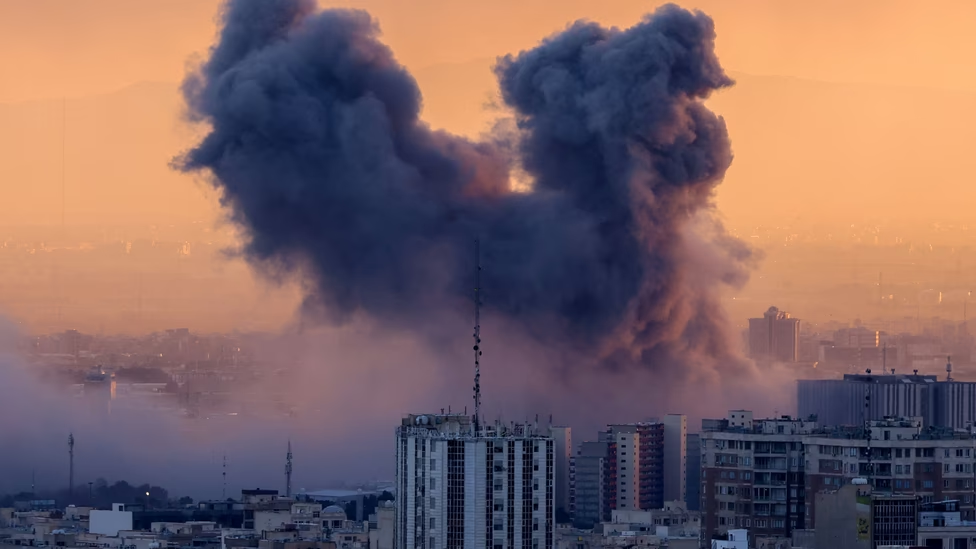
The effects extend beyond the nation’s borders. Administrations use political capital to address domestic crises, which decreases their ability to focus on strategic competition with China and Russia. Images of unrest, contested elections, and mass shootings damage America’s image as a beacon of democracy [13]. Rivals like Beijing and Moscow exploit these divisions to claim the Western model is in irreversible decline [14]. Internal disputes also make the country more susceptible to disinformation campaigns and cyberattacks that thrive in an already polarized media landscape [15].
Future Scenarios
The future remains uncertain. Reforms like ranked-choice voting, independent redistricting commissions, and renewed investment in civic education could slow the slide toward extremism and help rebuild a shared national identity. Still, the most likely near-term outlook is ongoing instability: persistent polarization, episodic violence, paralyzed government, and recurring legitimacy crises. In the worst case, the United States might face a low-level civil conflict, with armed militias, targeted violence, and open defiance of federal authority. A second civil war similar to the nineteenth century is unlikely, but a slow civil conflict fought through courts, media, and sometimes on the streets remains possible.
The American Fracture
Charlie Kirk’s assassination is a symptom, not a cause. The American fracture is deep-rooted, relating to identity, institutions, and political language. If left unaddressed, it risks pulling the republic into a cycle of instability that could weaken its ability to project power internationally and impact the global order. Only through institutional and cultural renewal, along with rebuilding a baseline of mutual trust, can this pattern be reversed. The alternative is an America that survives but remains divided, too preoccupied with its internal conflicts to play a leading role on the world stage.
Notes
[1] Hunter, James Davison. Culture Wars: The Struggle to Define America. New York: Basic Books, 1991.
[2] Bishop, Bill. The Big Sort: Why the Clustering of Like-Minded America is Tearing Us Apart. Boston: Houghton Mifflin, 2008.
[3] Pew Research Center. “Public Trust in Government: 1958–2023.” April 2023.
[4] Levitt, Justin. “All About Redistricting.” Loyola Law School, 2021.
[5] Brennan Center for Justice. “Voting Laws Roundup 2022.”
[6] Putnam, Robert D. Bowling Alone: The Collapse and Revival of American Community. New York: Simon & Schuster, 2000.
[7] Iyengar, Shanto, Gaurav Sood, and Yphtach Lelkes. “The Origins and Consequences of Affective Polarization in the United States.” Annual Review of Political Science 22 (2019): 129–146.
[8] CNN. “Arizona Congresswoman Shot in Tucson.” January 8, 2011.
[9] The Washington Post. “Gunman Opens Fire on GOP Lawmakers.” June 14, 2017.
[10] The New York Times. “Portland Protests Turn Chaotic.” July 2020.
[11] House Select Committee to Investigate the January 6th Attack on the United States Capitol. Final Report. Washington, D.C., 2022.
[12] FBI. Domestic Terrorism: Strategic Intelligence Assessment and Data, 2024.
[13] Freedom House. Freedom in the World 2024. Washington, D.C., 2024.
[14] RT. “US Democracy in Crisis.” December 2023; Global Times. “US democracy disorder undermines global confidence.” 2024.
[15] CISA. “Foreign Influence Operations and Disinformation Strategies.” 2023.
Leave a Reply